1. Specifications & Capability
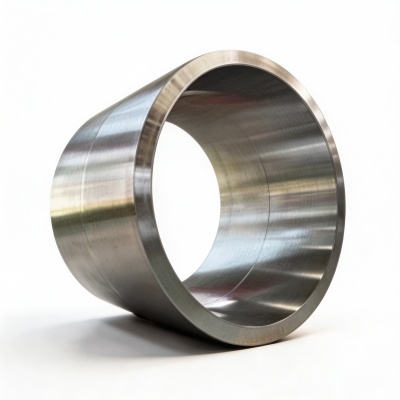
FUSHUN METAL forges heavy-wall hydroprocessing reactor components in A336 F22 (2.25Cr-1Mo), A336 F91 (9Cr-1Mo-V) and 13CrMo4-5 (1.7335), 1000-3000 mm inside diameter with wall thickness agreed to the project. These are the shell courses, heads, nozzles and manway reinforcement forgings of hydrogenation reactors.
The forgings are produced from vacuum-cast ingots and quenched and tempered, with the steel composition and heat treatment controlled for resistance to hydrogen attack and temper embrittlement.
| Grade | Standard | Typical Use |
|---|---|---|
| A336 F22 | ASTM A336 | 2.25Cr-1Mo reactor shells |
| A336 F91 | ASTM A336 | 9Cr-1Mo-V high-temperature grade |
| 13CrMo4-5 / 1.7335 | EN 10222 | European Cr-Mo steel |
2. Components & Service Conditions
These forgings are the shell courses, heads, nozzle sections and manway reinforcement rings of hydroprocessing reactors in oil refining and coal chemical plants. The reactor operates at high pressure and temperature in a hydrogen-rich environment, the most demanding service for a pressure vessel.
Under hydrogen at elevated temperature the steel is vulnerable to hydrogen attack – the reaction of dissolved hydrogen with carbides that forms methane and internal cracking. The 2.25Cr-1Mo and 9Cr-1Mo-V grades resist this through their chromium-molybdenum carbide chemistry, while temper embrittlement is controlled by limiting impurity elements such as phosphorus and tin. Vacuum casting and full-section ultrasonic testing secure the soundness these heavy walls demand.
3. Grade Equivalents – A336 F22 / F91
| Designation | Standard | Notes |
|---|---|---|
| A336 F22 | ASTM A336 | 2.25Cr-1Mo forging |
| A336 F91 | ASTM A336 | 9Cr-1Mo-V forging |
| 13CrMo4-5 / 1.7335 | EN 10222 | European Cr-Mo steel |
| 12Cr2Mo1 | GB/T 150 | Reference only, not used in certification |
| Grade | C | Si | Mn | Cr | Mo | V |
|---|---|---|---|---|---|---|
| A336 F22 | 0.05-0.15 | 0.50 max | 0.30-0.60 | 2.00-2.50 | 0.90-1.10 | – |
| A336 F91 | 0.08-0.12 | 0.20-0.50 | 0.30-0.60 | 8.00-9.50 | 0.85-1.05 | 0.18-0.25 |
The chromium-molybdenum (and vanadium in F91) carbide chemistry is what resists hydrogen attack at service temperature.
4. Manufacturing Process
Melting & casting. FUSHUN METAL vacuum-casts the ingots and controls phosphorus, tin and other impurities to minimise temper embrittlement.
Forging. Shell courses and heads are forged as single pieces with a high reduction ratio, compacting the core of the heavy wall.
Heat treatment. Quenching and tempering is followed by step-cooling verification where specified to confirm resistance to temper embrittlement.
Testing. Full-section UT, mechanical and impact tests, with full traceability and inspection certificates under EN 10204 3.1.
5. Standards & Certification
Hydroprocessing reactor forgings are supplied to ASTM A336 and ASME, with inspection certificates under EN 10204 3.1 and optional 3.2 third-party inspection. FUSHUN METAL holds ISO 9001 and AS9120B certification.
Related forging: large forged flanges.
6. Typical Applications
Hydrocracking reactors
Heavy-wall shells for hydrocracking and hydrotreating.
Coal chemical
Reactor forgings for coal-to-liquid and coal chemical plants.
Heads & nozzles
Forged heads and nozzle shells for reactor assemblies.
Manway reinforcement
Reinforcement rings for reactor manways.
7. Inquiry Essentials
To quote your hydroprocessing reactor forging, please provide the shell drawing, wall thickness, design temperature and pressure, and the certificate requirements.