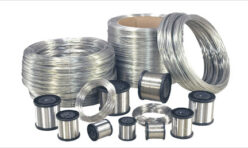
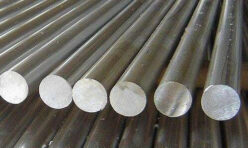
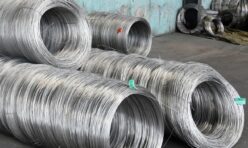
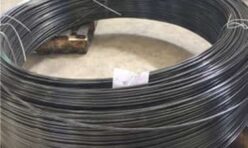
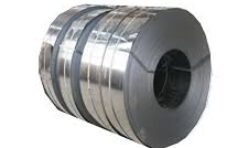
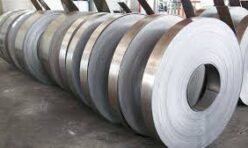
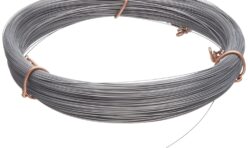
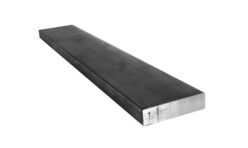
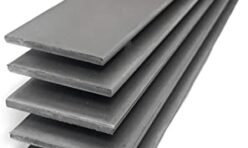
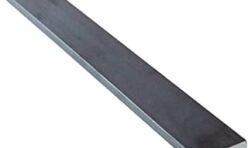
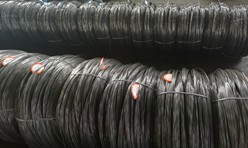
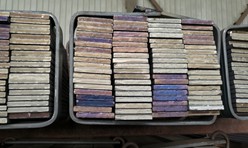
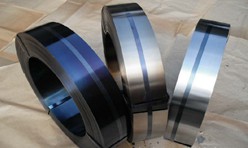
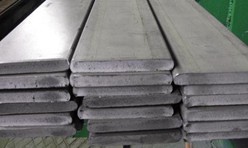
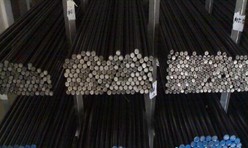
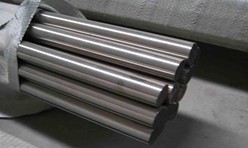
Spring steel is bought by form first and grade second. The same 51CrV4 may be wanted as bright drawn rod for a stabiliser bar, as oil tempered wire for a valve spring, or as hardened and tempered strip for a disc. The table separates the supply forms, because the form usually decides the condition, the tolerance and the test schedule.
Form to grade
| Form | Grades | Typical use |
|---|---|---|
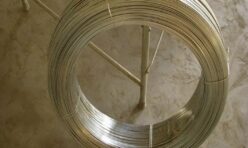
| Oil tempered wire | 1.5028 (56Si7), 1.7102 (54SiCr6 / SAE 9254), 1.7108 (61SiCr7 / 9260), ASTM A228 music wire | Valve and compression springs to EN 10270-1 and -2 |
| Cold drawn wire and rod | 65Mn, 1.1248 (C75S), 1.1274 (C100S / 1095), 1.7176 (55Cr3 / SUP9) | Springs formed after drawing, then hardened |
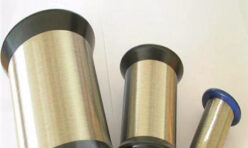
| Bright bar and rod | 51CrV4 (1.8159), 56Si7 (1.5026), 56SiCr7 (1.7106) | Stabiliser bars, torsion bars, leaf springs |
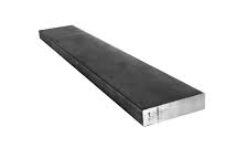
| Strip and plate | 65Mn, 1.1274, 51CrV4, 1.7108 | Disc springs, clutch plates, flat springs |
| Stainless spring wire | 301, 302, 316, 17-7PH (631) | Corrosive or high temperature spring service |
| Nickel alloy wire | Inconel 718 (N07718), Inconel 625, MP35N | Downhole, aerospace and cryogenic springs |
What the wire order needs to state
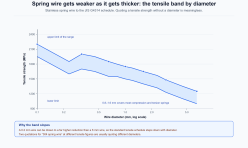
Diameter and tolerance, tensile range, and whether the wire is supplied patented, oil tempered or annealed. For valve spring quality we also need the casting and the inclusion rating you are working to. Decarburisation depth is measured on every lot and reported on the certificate.
Strip and plate come annealed, cold rolled or quenched and tempered, with hardness and flatness stated per coil.