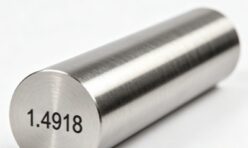
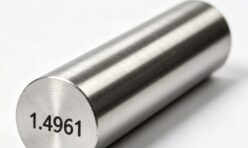
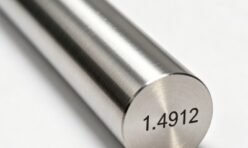
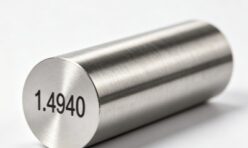
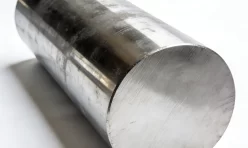
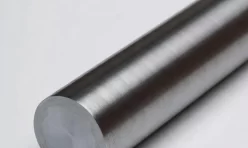
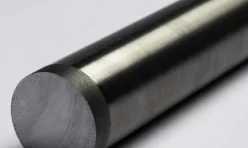
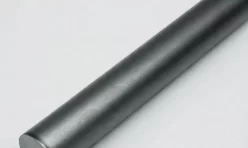
Heat resisting steel is specified by temperature and atmosphere together, not by temperature alone. A chromium-aluminium ferritic grade will run at 1,100 °C in air with no load and fail within weeks under a load that an austenitic grade carries for years. The table separates the two mechanisms: oxidation resistance on one side, creep strength on the other.
Grade families by mechanism
| Family | Grades | What it is for |
|---|---|---|
| Ferritic Cr-Al | 1.4713 (X10CrAlSi7), 1.4724 (X10CrAlSi13), 1.4742 (X10CrAlSi18), 1.4762 (X10CrAlSi25), 1.4749, 1.4736 | Oxidation resistance to 1,000–1,200 °C at low load: furnace parts, retorts, burner tubes |
| Austenitic Cr-Ni | 309/309S (1.4833), 310/310S (1.4845), 314 (1.4841), 321H (1.4878) | Creep strength at 800–1,000 °C: furnace rollers, radiant tubes |
| Austenitic, high creep | 253 MA (1.4835), 353 MA (1.4854), 1.4872, 1.4886, 1.4887 | Cyclic service where thermal fatigue dominates |
| Nickel alloy | Alloy 800 / 800H (1.4876), Incoloy 840 | Steam reforming, cracking coils, 600–900 °C |
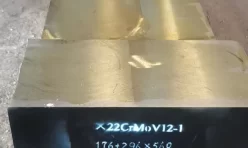
| Bolting | 1.4913 (X19CrMoNbVN11-1), 1.4906 (X12CrMoWVNbN10-1-1), 21CrMoV5-7 | High temperature bolting and turbine fasteners |
| Boiler and pressure | 7CrMoVTiB10-10 (1.7378, T23/P23), 10CrMo9-10 (1.7380, F22) | Waterwall and superheater tubing in power plant |
What decides the quotation
Continuous versus cyclic service, the atmosphere (air, flue gas, carburising, reducing), and whether the part is welded. Creep data is quoted against the actual temperature and stress you give us, not a generic maximum. For welded assemblies we state the filler and the post-weld heat treatment in the offer.
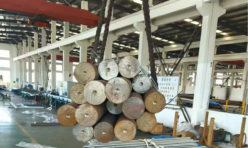
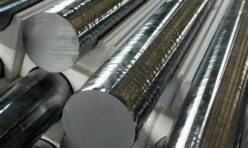
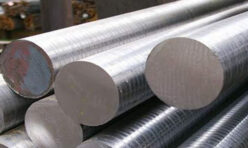
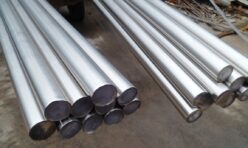
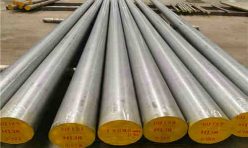
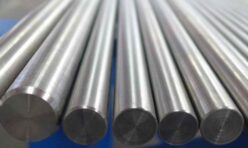
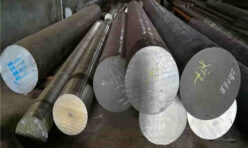
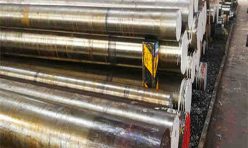
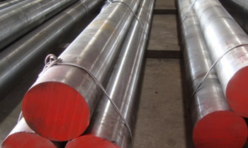
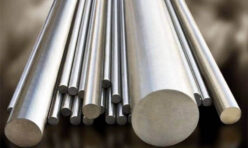
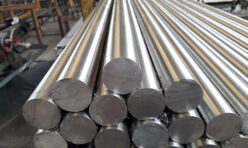
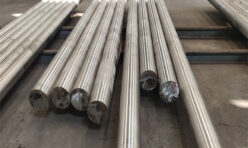
Plate, sheet, bar, tube and castings are supplied with the heat number traceable to the mechanical and oxidation test results.