
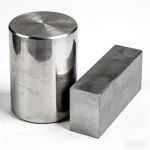
XM-19 Stainless Steel (S20910/1.3964): A Complete Technical Guide for Engineers and Procurement Specialists
By a Senior Metallurgical Engineer with 20+ Years of Industry Experience
1. Steel Grade Overview and Historical Evolution
Throughout my two decades working with specialty stainless steels, few alloys have demonstrated the remarkable versatility of XM-19. This nitrogen-strengthened austenitic stainless steel emerged from the need for materials that could bridge the gap between conventional austenitic grades and more expensive nickel-based superalloys. The designation “XM” originally stood for “experimental material” in the ASTM classification system, indicating its origins as an innovative solution to demanding industrial challenges.
The development of XM-19 austenitic stainless steel traces back to the 1960s and 1970s when metallurgists began systematically exploring nitrogen as a strengthening element in austenitic matrices. Unlike carbon, which can precipitate as chromium carbides and compromise corrosion resistance, nitrogen remains in solid solution and actually enhances both strength and pitting resistance. This breakthrough led to the commercial development of what we now recognize as the S20910 specification under ASTM standards.
The European equivalent, designated as 1.3964 under the Werkstoff numbering system, gained traction in the 1980s as offshore oil and gas exploration expanded into increasingly aggressive environments. German engineering standards formally incorporated this grade to address the specific requirements of subsea equipment and chemical processing installations operating under high-chloride conditions.
Looking toward future developments, the steel industry continues refining nitrogen-strengthened grades to achieve even higher strength-to-weight ratios while maintaining formability. Current research focuses on optimizing the nitrogen-manganese balance to improve hot workability without sacrificing the exceptional cryogenic properties that make XM-19 invaluable for liquefied natural gas applications and superconducting magnet systems.
2. Chemical Composition and Elemental Functions
The carefully balanced chemistry of XM-19 represents decades of metallurgical refinement. Each element serves a specific purpose, and understanding these roles is essential for proper material selection and processing decisions.
| Element | Content (%) | Primary Function |
|---|---|---|
| Carbon (C) | 0.06 max | Minimized to prevent carbide precipitation |
| Chromium (Cr) | 20.5-23.5 | Passive film formation and oxidation resistance |
| Nickel (Ni) | 11.5-13.5 | Austenite stability and general corrosion resistance |
| Manganese (Mn) | 4.0-6.0 | Nitrogen solubility enhancement and austenite stability |
| Molybdenum (Mo) | 1.50-3.00 | Pitting and crevice corrosion resistance |
| Nitrogen (N) | 0.20-0.40 | Interstitial strengthening and pitting resistance |
| Silicon (Si) | 0.75 max | Deoxidation and scaling resistance |
| Phosphorus (P) | 0.040 max | Controlled as residual element |
| Sulfur (S) | 0.030 max | Minimized to maintain ductility and corrosion resistance |
| Iron (Fe) | Balance | Matrix element |
The Critical Role of Nitrogen
Nitrogen deserves special attention because it fundamentally distinguishes XM-19 from conventional austenitic grades. At 0.20-0.40%, the nitrogen content provides approximately twice the solid solution strengthening effect of an equivalent amount of carbon, yet without the metallurgical complications associated with carbide formation. In my experience analyzing weld heat-affected zones, the nitrogen in XM-19 actually helps prevent sensitization rather than promote it.
The elevated manganese content (4.0-6.0%) plays a crucial supporting role by increasing nitrogen solubility in the austenite matrix. This manganese-nitrogen synergy allows the alloy to retain its enhanced properties even after extensive welding operations, a characteristic I have consistently observed in field applications ranging from offshore platforms to pharmaceutical processing vessels.
Chromium and Molybdenum Balance
The chromium range of 20.5-23.5% positions XM-19 among the higher-chromium austenitic grades, providing robust passive film stability in oxidizing environments. Combined with 1.50-3.00% molybdenum, the alloy achieves a Pitting Resistance Equivalent Number (PREN) typically calculated as PREN = %Cr + 3.3(%Mo) + 16(%N), yielding values ranging from approximately 31 to 40 depending on actual composition within specification limits. This PREN range significantly exceeds that of Type 316L (typically 23-28) and explains why XM-19 outperforms conventional grades in chloride-containing environments.
3. Mechanical Properties and Physical Characteristics
The mechanical properties of XM-19 represent one of its most compelling advantages over standard austenitic grades. Where Type 304 and 316 typically offer yield strengths around 200-250 MPa in the annealed condition, XM-19 (S20910) delivers nearly double that value while maintaining excellent ductility.
| Temperature | Tensile Strength (MPa) | Yield Strength (MPa) | Elongation (%) |
|---|---|---|---|
| -196°C (Cryogenic) | 1558 | 883 | 40 |
| 24°C (Room Temperature) | 827 | 448 | 45 |
| 316°C (Elevated) | 717 | 317 | 36 |
Cryogenic Performance
The cryogenic properties of XM-19 deserve particular emphasis. At liquid nitrogen temperature (-196°C), the alloy not only maintains ductility with 40% elongation but actually increases in strength dramatically. This behavior contrasts sharply with many engineering materials that become brittle at sub-zero temperatures. During my work on LNG storage facility components, this characteristic proved invaluable for designing pressure-containing parts that must perform reliably across extreme temperature cycles.
Non-Magnetic Behavior
XM-19 remains fully non-magnetic in the annealed condition and, notably, retains this property even after severe cold working. This stability stems from the high nitrogen content, which strongly stabilizes the austenite phase and suppresses martensite transformation. In applications requiring non-magnetic materials—such as MRI equipment components, mine sweeping vessels, and certain electronic instrumentation—this characteristic eliminates concerns about magnetic permeability changes during service.
Physical Properties
The physical characteristics of XM-19 include a density of approximately 7.88 g/cm³, slightly lower than conventional Type 316 due to the elevated manganese and nitrogen content displacing heavier elements. Thermal conductivity measures approximately 12-14 W/m·K at room temperature, typical for austenitic stainless steels. The coefficient of thermal expansion ranges from 15-17 × 10⁻⁶/°C, requiring consideration in designs involving thermal cycling or differential expansion with carbon steel components.
4. International Standards Cross-Reference
Global procurement of XM-19 requires familiarity with equivalent designations across various national and international standard systems. The following table consolidates the primary specifications that material engineers and procurement specialists encounter in international trade.
| Standard System | Designation | Applicable Specifications |
|---|---|---|
| ASTM/ASME (USA) | XM-19, S20910, UNS S20910 | A-479, SA-479, A-276, SA-276 |
| DIN/EN (Germany/Europe) | 1.3964, X2CrNiMnMoN21-16-5-3 | EN 10088-3, EN 10222-5 |
| NACE (Sour Service) | Listed Material | MR0175/ISO 15156-3, MR0103/ISO 17945-1 |
| ISO (International) | ISO designation pending | ISO 14067:2018 (Environmental) |
The NACE MR0175/ISO 15156-3 listing is particularly significant for oil and gas applications. This specification governs materials for sour service environments containing hydrogen sulfide, and XM-19’s inclusion allows its use in wellhead components, downhole equipment, and surface processing facilities where sulfide stress cracking resistance is mandatory.
When specifying material for pressure equipment in ASME code jurisdictions, the SA-479 designation applies for bars and shapes, while SA-276 covers bar stock for general machining applications. European pressure equipment manufacturers typically reference EN 10222-5 for forged components destined for pressure-retaining service.
5. Typical Industrial Applications
The combination of high strength, excellent corrosion resistance, and good fabricability positions XM-19 for applications where conventional austenitic grades prove inadequate. Based on my direct involvement in material selection for numerous industrial projects, the following sectors represent the primary consumers of this alloy.
Oil and Gas Industry
Subsea wellhead connectors, valve bodies, and fasteners represent major applications in offshore petroleum production. The alloy’s combination of strength and seawater corrosion resistance allows designers to reduce component wall thicknesses compared to Type 316L while improving reliability margins. I have witnessed XM-19 components performing successfully after 15+ years of continuous North Sea service, demonstrating exceptional long-term durability.
Nuclear Power Generation
Spent nuclear fuel storage containers and reactor internals increasingly specify high-strength nitrogen-strengthened stainless steel grades like XM-19. The material’s resistance to stress corrosion cracking in high-temperature water, combined with its favorable neutron absorption characteristics and non-magnetic properties, addresses critical nuclear safety requirements.
Chemical Processing
Fertilizer production environments, particularly those involving ammonium nitrate and phosphoric acid, benefit from XM-19’s resistance to stress corrosion cracking and pitting. Pump shafts, agitator components, and reactor vessels in these services have demonstrated significantly longer service lives compared to conventional grades.
Pulp and Paper Industry
Bleach plant equipment operates in extremely aggressive environments combining chlorine compounds, elevated temperatures, and mechanical stresses. XM-19 provides the necessary corrosion resistance for digester fittings, washer rolls, and mixer shafts where Type 316L experiences unacceptable degradation rates.
Food Processing Equipment
High-strength shafting for food processing pumps and mixers benefits from XM-19’s combination of mechanical properties and FDA-acceptable composition. The non-magnetic characteristic proves valuable in processing lines equipped with metal detection systems.
Marine Structural Components
Flood control barriers, harbor infrastructure, and marine fasteners specify XM-19 where design strength requirements exceed the capabilities of conventional marine-grade stainless steels. The alloy’s resistance to marine atmosphere stress corrosion cracking provides additional design margins in these demanding applications.
6. Available Product Forms and Dimensions
Modern steel mills and specialty metal producers offer XM-19 in diverse product configurations to match specific application requirements. The following forms represent the primary commercial offerings available from qualified manufacturers.
| Product Form | Dimensional Range | Manufacturing Method |
|---|---|---|
| Round Bars (Hot Rolled) | Up to Ø260mm diameter | Hot rolling with annealing |
| Forged Rounds | Up to Ø1200mm diameter | Open die or closed die forging |
| Flat Bars | Custom dimensions available | Hot rolled or forged |
| Plates | Various thicknesses | Hot rolled |
| Precision Turned Bars | Tight tolerances | CNC precision machining |
| Centerless Ground Bars | Ultra-precise tolerances | Grinding to mirror finish |
| Tubes | Seamless and welded | Extrusion or welded fabrication |
Forged products in diameters up to 1200mm are particularly significant for heavy industrial applications such as large valve bodies, pump casings, and structural forgings. The forging process refines the grain structure and improves directional properties compared to as-cast material, yielding superior impact toughness and fatigue resistance in the finished component.
Precision-turned and ground bar stock saves considerable machining time for manufacturers of precision components. Reputable XM-19 stainless steel manufacturers maintain comprehensive in-house heat treatment and machining capabilities, enabling them to deliver material in the optimal condition for immediate downstream processing.
7. Advantages and Limitations Analysis
An objective evaluation of XM-19’s characteristics helps engineers make informed material selection decisions. While this alloy offers compelling advantages in many applications, understanding its limitations ensures appropriate specification.
Advantages
Superior Strength: Nearly double the yield strength of Type 316L in annealed condition, enabling weight reduction and higher design stresses.
Excellent Corrosion Resistance: PREN values significantly exceeding conventional austenitic grades provide enhanced pitting and crevice corrosion resistance in chloride environments.
Cryogenic Toughness: Maintains excellent ductility at liquid nitrogen temperatures, suitable for LNG and superconducting applications.
Non-Magnetic Stability: Remains non-magnetic even after severe cold working, unlike some austenitic grades that partially transform to martensite.
Weldability: Good weldability without preheat requirements; matching filler metals available.
NACE Compliance: Listed for sour service applications under MR0175/ISO 15156.
Limitations
Higher Cost: Premium pricing compared to Types 304 and 316 due to elevated alloying content and specialized manufacturing.
Work Hardening: Significant work hardening during machining requires appropriate tooling selection and cutting parameters.
Limited High-Temperature Use: Not recommended for continuous service above approximately 400°C due to potential sigma phase formation.
Hot Working Sensitivity: Requires careful temperature control during forging and hot forming operations.
Availability: Less commonly stocked than standard grades; longer lead times may apply for certain product forms.
Thermal Conductivity: Low thermal conductivity can cause localized heating during high-speed machining.
In my professional assessment, the cost premium for XM-19 often proves economically justified when lifecycle costs are considered. Reduced maintenance frequency, extended component service life, and the ability to reduce section thickness frequently offset higher initial material costs, particularly in aggressive service environments where Type 316L would require premature replacement.
8. Processing and Fabrication Guidelines
Heat Treatment
XM-19 is fully austenitic and cannot be hardened by heat treatment. The standard conditioning treatment involves solution annealing at 1065-1120°C (1950-2050°F) followed by rapid cooling, typically water quenching for heavier sections. This treatment dissolves any precipitated phases and optimizes corrosion resistance.
Critical to successful heat treatment is achieving adequate cooling rates through the temperature range where sigma phase and carbide precipitation can occur (approximately 600-900°C). Furnace cooling or slow air cooling through this range must be avoided, as sigma phase formation dramatically reduces both ductility and corrosion resistance.
Welding Procedures
XM-19 welds satisfactorily using conventional austenitic stainless steel welding processes including GTAW (TIG), GMAW (MIG), and SMAW (stick electrode). No preheat is required, and interpass temperatures should be maintained below 150°C to prevent sensitization and distortion.
Matching composition filler metals (AWS ER209 or E209) provide the best combination of strength and corrosion resistance in the weld deposit. For dissimilar metal joints to carbon steel or lower-alloy stainless grades, overmatching filler metals based on higher nickel content may be appropriate to ensure adequate joint properties.
Post-weld heat treatment is generally not required for XM-19 weldments. However, when maximum corrosion resistance is essential, a post-weld solution anneal at 1065-1120°C followed by rapid quenching will homogenize the heat-affected zone microstructure.
Machining Recommendations
The combination of high strength and work hardening tendency makes XM-19 more challenging to machine than Type 304 or 316. Successful machining requires rigid setups, sharp tooling, positive rake angles, and consistent feed rates that prevent the tool from dwelling or rubbing on the work surface.
Carbide tooling with appropriate coatings (TiN, TiCN, or TiAlN) generally outperforms high-speed steel for turning and milling operations. Cutting speeds should typically be reduced by 20-30% compared to Type 316, while maintaining substantial depth of cut to stay beneath the work-hardened surface layer.
Adequate coolant application is essential due to the alloy’s low thermal conductivity. Flood coolant or through-tool coolant delivery helps control tool temperature and improves surface finish quality.
Hot Working
Forging and other hot working operations should be performed in the temperature range of 1150-1200°C (2100-2190°F). The elevated nitrogen content reduces hot ductility compared to standard austenitic grades, requiring careful control of deformation rates and intermediate reheating for heavy reductions.
Finishing temperatures below 900°C should be avoided to prevent partial sigma phase formation during subsequent cooling. Immediate water quenching from the finishing temperature provides the best combination of properties and microstructural cleanliness.
9. Quality Testing and Certification Requirements
Comprehensive quality assurance testing ensures that XM-19 materials meet specified performance requirements. The following tests represent standard certification requirements for critical applications.
| Test Category | Specific Tests | Applicable Standards |
|---|---|---|
| Chemical Analysis | Spectrographic and wet chemical analysis for all specified elements | ASTM E1019, ASTM E353 |
| Mechanical Testing | Tensile, yield, elongation, reduction of area, hardness | ASTM A370, ASTM E8 |
| Impact Testing | Charpy V-notch at specified temperatures | ASTM A370, ASTM E23 |
| Corrosion Testing | Intergranular corrosion resistance, pitting potential | ASTM A262, ASTM G48 |
| Microstructural Examination | Grain size, inclusion rating, phase identification | ASTM E112, ASTM E45 |
| Non-Destructive Testing | Ultrasonic, magnetic particle, liquid penetrant | ASTM A388, ASTM E165 |
| Magnetic Permeability | Permeability testing for non-magnetic applications | ASTM A342 |
Certification Documentation
Material certification typically includes a Mill Test Report (MTR) conforming to EN 10204 Type 3.1 (inspection certificate) or Type 3.2 (third-party validated). Critical applications may require additional documentation including heat treatment records, welding procedure qualifications, and positive material identification (PMI) verification.
For NACE-compliant applications, additional testing to verify hardness limits (typically HRC 35 maximum for annealed material) and stress corrosion cracking resistance may be specified. These requirements ensure suitability for sour service environments where hydrogen-induced cracking poses a significant risk.
Quality System Requirements
Reputable XM-19 suppliers maintain quality management systems certified to ISO 9001 or equivalent industry-specific standards (API Q1 for oil and gas, IATF 16949 for automotive). These certifications provide confidence in consistent material quality and traceability throughout the manufacturing process.
Established specialty steel manufacturers invest in comprehensive testing facilities and trained metallurgical personnel to ensure that each shipment meets the demanding specifications required by critical applications.
Conclusion
XM-19 (S20910/1.3964) represents a mature, well-characterized nitrogen-strengthened austenitic stainless steel that fills an important niche between conventional 300-series grades and more exotic nickel-based alloys. Its combination of high strength, excellent corrosion resistance, and cryogenic toughness makes it the material of choice for demanding applications in offshore oil and gas, nuclear power, chemical processing, and marine industries.
Successful application of XM-19 requires attention to proper heat treatment, appropriate fabrication techniques, and comprehensive quality verification. When these factors are properly managed, the alloy delivers exceptional value through extended service life and reliable performance in aggressive service environments. For engineers and procurement professionals evaluating high-performance stainless steels, XM-19 merits serious consideration whenever conventional grades fall short of application requirements.