
1.2631, X50CrMoW9-1-1, Cold Work Tool Steel
Material No.:
1.2631 X50CrMoW9-1-1
Steel properties:
Medium alloyed cold work steel,
good through hardenability,
high wear resistance,
very good toughness.
Cutting:
Precision cutting to standard dimensions
Custom cutting according to client specifications
Cold Work Tool Steel Dimensions
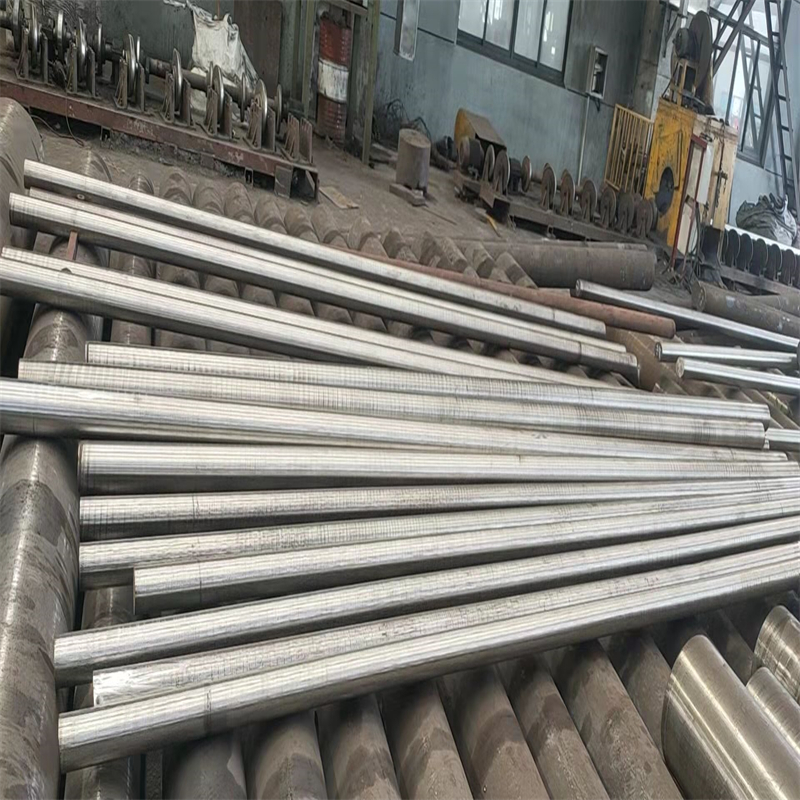
We offer premium cold work tool steel in various forms, manufactured with advanced 5000-ton forging press technology for superior density and performance.
| Product Form | Specifications |
|---|---|
| Forged Round Bar | Dia. up to 1200mm |
| Forged Flat Bar | Thickness 100-600mm, Width 300-2000mm |
| Rolled Round Bar | Dia. 10-200mm |
| Hot Rolled Plate | Thickness 1-100mm, Width 60-1600mm |
Chemical composition:
| C | Cr | Mo | W |
| 0,50 | 8,50 | 1,20 | 1,20 |
Applications:
Wood cutting knives, flat and round shear knives, knives for the paper industry.
Condition of delivery:
Soft annealed to max. 240 HB
Soft annealing
Temperature Cooling Hardness
820 – 870°C furnace max. 240 HB
Stress relief annealing
Temperature Cooling
600 – 650°C furnace
Hardening
Temperature Cooling
1020 – 1050°C oil, pressure gas (N2), air or hot bath 500 – 550°C
Where a medium-carbon Cr-Mo-W steel fits
1.2631 (X50CrMoW9-1-1) is a chromium-molybdenum-tungsten tool steel at around 0.5 % carbon. It sits between the cold work grades and the hot work grades: harder and more wear resistant than a hot work steel, tougher than a 1.5 % carbon cold work grade.
Its tungsten addition is what separates it from a plain Cr-Mo tool steel — it raises temper resistance, so the steel holds hardness better when the tool runs warm.
Where it earns its place
- Tools that see both wear and impact, where D2 would chip and a hot work grade would wear
- Punches and dies in medium-run production
- Applications where the tool temperature rises enough to soften a plain cold work steel but not enough to need H13
What to specify
Hardness range, and the tempering temperature that achieves it. Because the alloy has secondary hardening behaviour, two different tempers can give the same hardness with different toughness — and the certificate will not tell you which one was used.
Related reading
- D2 heat treatment — the harder, less tough alternative.
- H13 — when the tool runs hot enough to need a hot work grade.
- Elements in tool steel — what the tungsten is doing here.