
34CrNi3Mo Alloy Steel
a high-strength alloy structural steel.
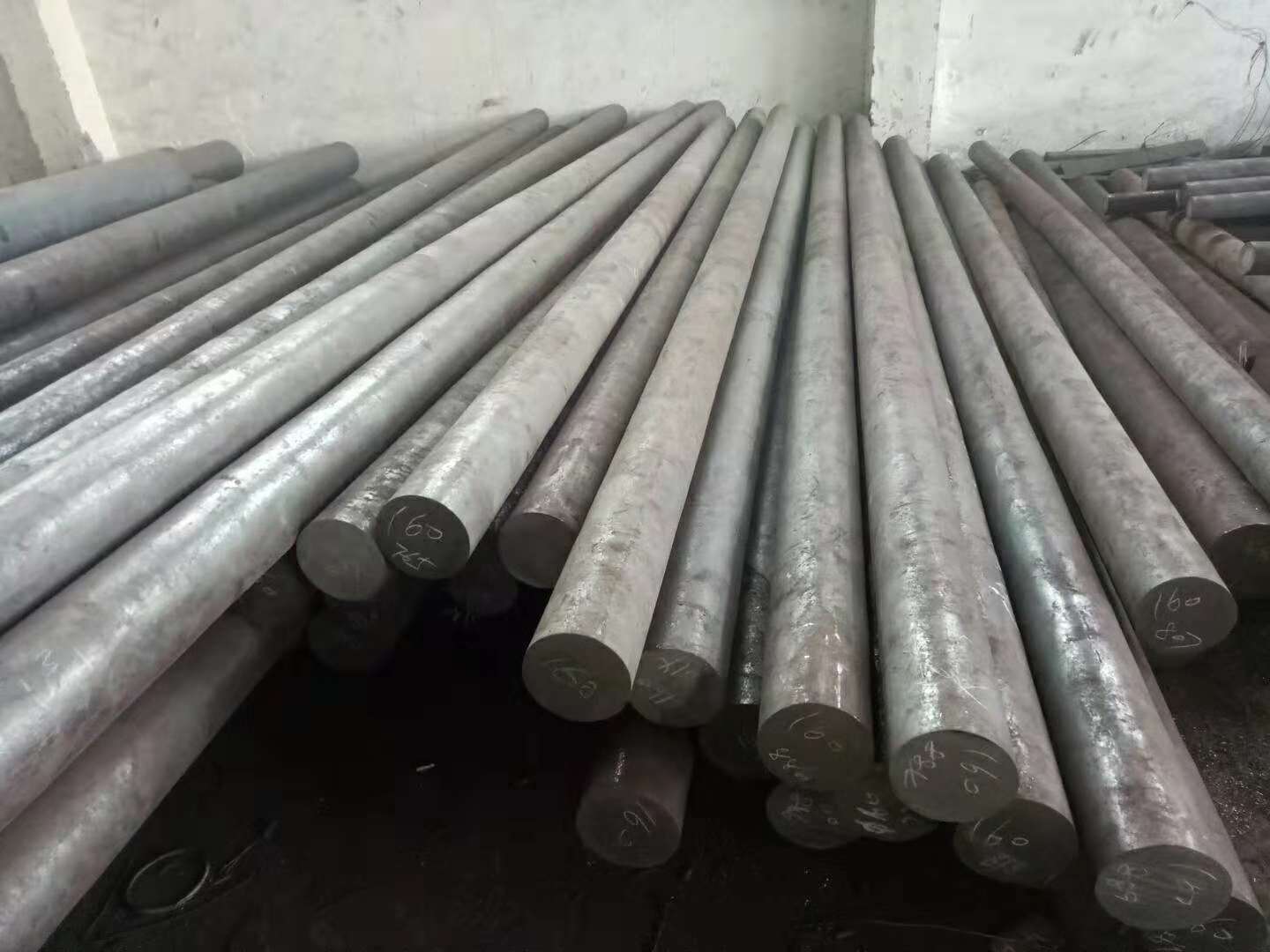
It is a commonly used large-scale steam turbine forging low-pressure rotor steel with good comprehensive mechanical properties and process properties. It has been widely used in the production of engine rotor and turbine impellers.
<<DATA SHEET 34CrNi3Mo Alloy Steel FUSHUN>>
Features and applications:
34CrNi3Mo is a high-strength alloy structural steel, is widely used in large-scale steam turbine forging low-pressure rotor steel, has good mechanical properties and process performance, has been widely used in engine rotor and steam turbine impeller production.
Steel performance, use and 30Cr2Ni2Mo similar. Material welding performance is poor, prone to cold cracking after welding.
Chemical Composition:
| C(%) | Si(%) | Mn(%) | P(%) | S(%) | Cr(%) | Ni(%) | Mo(%) | Cu(%) |
| 0.30~0.40 | 0.17 ~ 0.37 | 0.50 ~ 0.80 | ≤0.035 | ≤0.035 | 0.70~1.10 | 2.75 ~ 3.25 | 0.25 ~ 0.40 | ≤0.20 |
Mechanical Propoerties:
| Yield Strength Rp0.2(MPa) |
Tensile Strength Rm(MPa) |
Elongation δ5 (%): | Reduction of area ψ (%): |
Impact energy Akv (J): |
Impact toughness value αkv (J/cm2) |
Hardness |
| ≥ 785(85) | ≥ 900(85) | ≥ 12 | ≥ 40 | ≥ 58 | ≥ 55(5) | ≥ 248 HB |
A forging steel, not a bar grade
34CrNi3Mo is a nickel-chromium-molybdenum steel used for large forgings — turbine and generator rotors, discs, and heavy shafting. Its alloy content is set for deep hardenability: a section several hundred millimetres thick has to reach uniform properties through the body, which a leaner Cr-Mo grade cannot do.
That is why it is almost always encountered as a forging rather than as bar stock, and why the specification conversation is about testing rather than about chemistry.
What the specification has to cover
| Requirement | Why |
|---|---|
| Test location and orientation | Properties vary from surface to centre and along versus across the forging |
| Ultrasonic examination | Internal soundness cannot be inspected any other way in a large forging |
| Hydrogen content | Flakes and delayed cracking in thick sections |
| Mechanical properties after simulated heat treatment | The properties that matter are the ones after the final temper, not as-forged |
Where it is used
Power generation — turbine rotors and discs — and heavy machinery shafting. The grade is chosen for hardenability and toughness in large sections, and the acceptance criteria are usually agreed project by project against a customer specification rather than bought off a shelf.
